Operations Management Dissertation范文:Audi运营管理、JIT与Six Sigma案例分析

这是一篇以 Audi AG(奥迪) 为企业案例的Operations Management dissertation范文。 文章主要围绕Audi的Organisational Structure、Operations Management、 Scheduling、Capacity Management、Transformation Process、 Logistics & Inventory Management,以及 Just-in-Time(JIT)和Six Sigma等运营管理理论展开。
和一般介绍“dissertation怎么写”的教程不同, 本文保留的是一篇较完整的Business Dissertation案例。 它真正值得参考的地方,并不是Audi这个品牌本身, 而是作者如何把Operations Management理论放进一个真实的制造企业环境中, 再结合企业结构、Production、Logistics、Inventory以及Quality Management进行分析。
对于Business Management、Operations Management、 Supply Chain Management、Logistics Management以及部分MBA课程的学生来说, 这种“Theory + Company Case + Methodology + Analysis”的写法, 比单独背几个管理学定义更值得参考。
范文阅读说明:本文属于历史Dissertation Sample,原案例主要使用2016—2017年前后的Audi企业资料。 其中涉及企业管理人员、员工规模、收入、生产体系和其他经营信息, 应当理解为当时案例研究的历史背景,并不代表Audi当前经营状况。 本文保留原案例的研究逻辑和历史属性,方便留学生观察一篇Operations Management Dissertation如何展开。

Audi Operations Management Dissertation范文信息
| 范文类型 | Business / Operations Management Dissertation Sample |
| 案例企业 | Audi AG |
| 主要主题 | Operations Management、Organisational Structure、Scheduling、 Capacity Management、Transformation Process、Logistics、 Inventory Management、JIT、Six Sigma |
| Research Method | Secondary Research为主,必要情况下结合Primary Research |
| 适合专业 | Business Management、Operations Management、 Supply Chain Management、Logistics Management、MBA |
| 案例性质 | 历史Dissertation范文 / Business Case Analysis |
| 主要资料时期 | 2016—2017年前后的企业与学术资料 |
这篇Operations Management Dissertation值得看什么?
1. Methodology解释了为什么选择Secondary Research
这篇案例比较值得参考的一点,是Methodology没有只停留在 “本文采用Secondary Research”这样一句话上。 由于Audi属于大型跨国制造企业, 研究者直接接触Board Level Directors和Senior Management的难度较高, 因此主要使用Corporate Publications、Academic Journals、 Books、Articles以及Web-based Research。
这也是Dissertation Methodology比较重要的写法:不仅说明使用了什么Research Method, 还需要解释为什么这种方法适合当前Research Context。
2. Organisational Structure不是为了单纯展示组织结构图
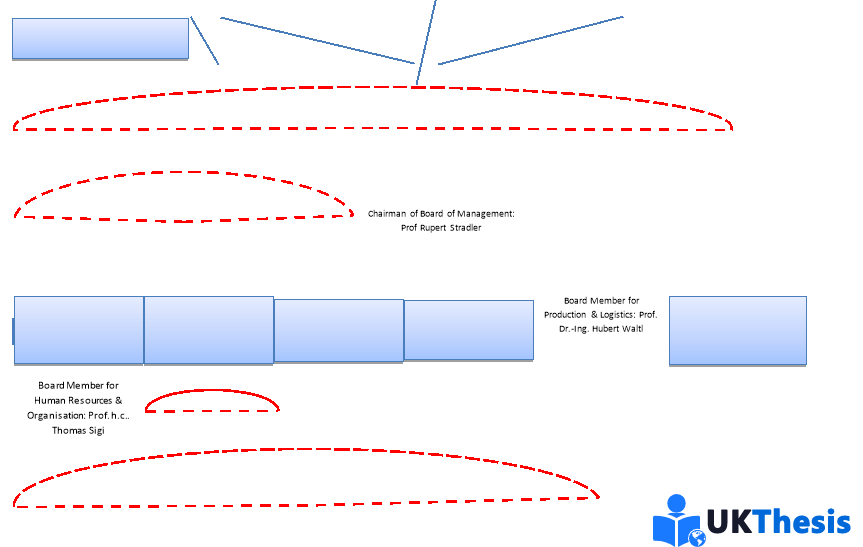
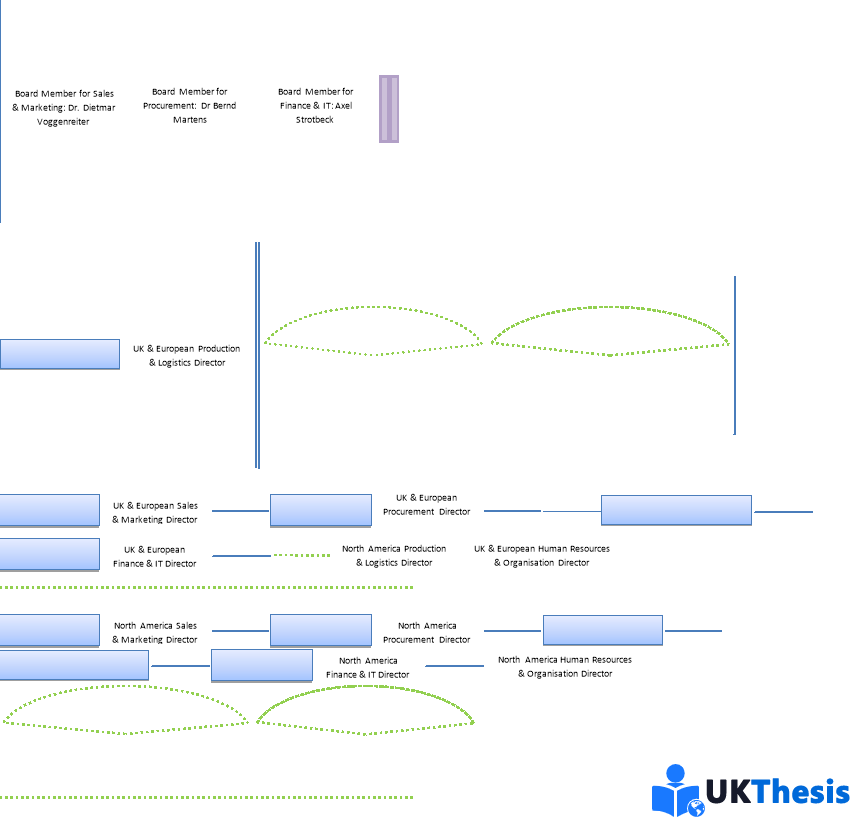
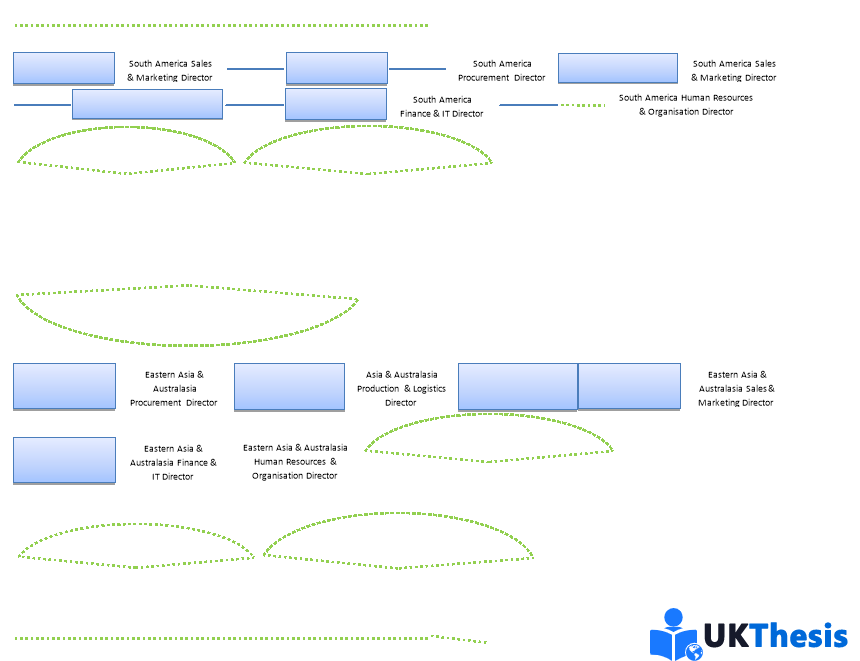
原案例从Audi的Management Structure继续延伸到Procurement、 Human Resources、Finance & IT、Sales & Marketing以及 Production & Logistics等Business Functions, 并讨论不同管理层级和地区之间如何形成管理关系。
因此,后面四张Organogram并不是装饰, 而是在为Operations Management的讨论建立组织背景。
3. Operations Management理论进入了真实企业环境
后面的Scheduling、Capacity Management、 Transformation Process以及Logistics & Inventory Management, 都不是孤立解释定义,而是结合汽车制造环境讨论。
这一点尤其适合Business Dissertation参考:Theory必须与Company Context发生关系, 否则很容易变成教科书式概念堆积。
4. JIT和Six Sigma具备进一步分析空间
Just-in-Time部分不仅讨论库存和生产效率, 还会涉及Supplier Reliability、Production Risk以及Demand变化; Six Sigma则进一步进入Quality和Process Improvement。
这种写法更接近Critical Analysis,而不是只解释“JIT是什么”“Six Sigma是什么”。
Original Dissertation Sample:Leadership & Operations Management of Audi AG
<!-- 原页面Audi主题图片:保留 -->

Organisation: Audi AG
Headquarters: Ingolstadt, Germany
Research Area: Leadership & Operations Management
This dissertation sample investigates different approaches and practices towards Operations Management within Audi AG. The central purpose is to examine how operational efficiency, management structure and production-related practices can contribute to the achievement of organisational objectives.
The study places particular emphasis on the value of Operations Management within Audi's organisational environment and considers how different management theories and operational models can be applied to a large international automotive manufacturer.
Rather than analysing Operations Management as an isolated function, the case also considers its relationship with Production, Procurement, Logistics, Inventory, Capacity, Quality and different levels of organisational management.
Methodology 方法论
The information used in this dissertation is obtained primarily throughsecondary research. The research draws upon web-based materials, academic journals, published books, articles and organisational publications.
One reason for relying heavily on secondary research is the practical difficulty of gaining direct access to board-level directors and senior management personnel in a multinational organisation. Time constraints and organisational access can make extensive primary research difficult.
Where greater depth is necessary, or where suitable information cannot be obtained from existing publications, primary research may be considered as an additional source.
这部分Methodology的关键并不是简单告诉读者 “Secondary Research就是二手研究”, 而是解释为什么这种方法适合Audi这样的企业研究。 对于Dissertation来说,这种Method Choice + Justification比单纯解释定义更加重要。
Results 结果
2.1 Audi AG Organisational Structure 奥迪公司组织结构
Audi的历史可以追溯到20世纪初, 并逐步发展成为一家在多个国家拥有生产和销售业务的大型汽车制造企业。 在原案例研究时期,Audi已经属于典型的Large Multinational Organisation, 并在欧洲、亚洲、美洲等地区拥有汽车生产和经营活动。
原案例使用的Audi员工规模、Revenue、Management Personnel、 Share Price以及Manufacturing Facilities等资料, 主要反映2016年前后的企业情况。 因此在今天阅读时,应当把它们看成历史Business Case Data。
除了Audi品牌自身之外, 企业还与多个Subsidiaries以及Volkswagen Group形成集团层级关系。 这种复杂的Organisation Structure, 也使Operations Management不再只是某一个Production Plant内部的问题。
2.1.1 Organisational Management Structure 组织管理结构
Audi属于规模较大的国际企业, 其Management Matrix包含多个Business Functions、 Management Levels以及Geographical Areas。
在最高管理层下面, 不同Board Members分别负责企业主要职能, 包括:
Procurement
Human Resources & Organisation
Finance & IT
Sales & Marketing
Production & Logistics
这些职能还会进一步根据不同地区、 国家、Production Facilities以及Business Units进行划分。
因此,一个European Sales & Marketing Director 与一个North American Production & Logistics Director, 虽然都属于企业管理体系, 但他们所负责的Function与Geographical Responsibility并不相同。
下面四张图片是原页面的Audi AG Company Organogram, 原本就是同一套组织结构图的连续部分, 因此继续保持连续展示,不拆散到其他章节。
<!-- 原图 Figure 1 Part 1 -->
<!-- 原图 Figure 1 Part 2 -->
<!-- 原图 Figure 1 Part 3 -->
<!-- 原图 Figure 1 Part 4 -->
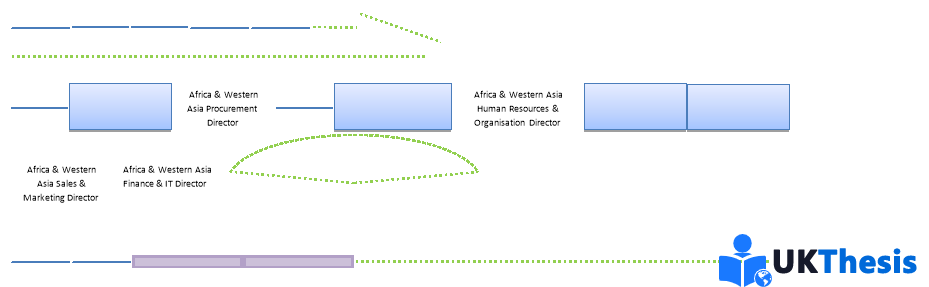
Figure 1. Audi AG Company Organogram — Original Dissertation Case Figure
Author: Jacob Hood. Historical case Reference: Audi AG.
Organogram Key 组织结构图说明
Functional Relationship:Different departments or business functions work closely together in order to achieve shared organisational objectives.
职能关系:不同Department或Business Functions之间通过协作, 共同完成企业层面的Organisational Objectives。
Line Relationship:This represents the formal hierarchical relationship between superiors and subordinates within the organisation.
直线关系:反映企业内部上下级之间的Formal Reporting Structure。
Departmental Relationship:Different departments retain their own responsibilities while also maintaining operational connections with other business functions.
部门关系:各部门保留自身主要Business Responsibilities, 同时需要与其他部门保持必要的工作联系。
Lateral Relationship:Individuals or departments at similar hierarchical levels may work together closely to complete cross-functional objectives.
横向关系:处在类似Management Level上的人员和部门, 需要通过Cross-functional Cooperation实现共同目标。
2.1.2 Overview of Operations Management Within Audi AG 奥迪公司运营管理概述
Before analysing individual operational functions, it is useful to understand Operations Management in a broader sense. Operations Management is concerned with the planning, design, control and operation of systems used to produce goods or services.
For a manufacturing organisation such as Audi, Operations Management forms part of the foundation of the entire vehicle production process.
The company must coordinate resources including:
Employees
Production Facilities
Machinery
Raw Materials
Engineering Systems
Suppliers
Logistics
and transform these resources into finished vehicles that can be delivered to customers.
Audi vehicles also have many possible variations. Customers may choose different:
Body Shapes
Chassis
Engine Sizes
Left / Right Hand Drive
Transmission Types
Interior Specifications
Leather Seats
Trim Options
The existence of so many product variations creates additional complexity for the Operations Management Team. Different models and specifications may require different Build Times, Materials and Production Sequences.
因此,Operations Management需要与Engineering、 Manufacturing、Procurement和Logistics进行协调, 才能在不同车型和客户Specification之间合理安排Production。
2.1.3 Key Operations / Operations Functions Within Audi AG 奥迪主要运营职能
Within Audi, major operational responsibilities are closely connected withProduction & Logistics andProcurement.
These functions are responsible for important elements of the design, control and delivery of vehicle-production activities. Their relationship is especially important in areas such as Logistics & Inventory Management, because vehicle production depends upon the timely availability of large numbers of Components and Raw Materials.
The original case uses the Neckarsulm manufacturing environment as an example for discussing production and operational activities. The plant has historically produced several Audi models and model variations, making it useful for illustrating Scheduling, Capacity and Production-related issues.
Scheduling 生产调度
Scheduling is concerned with allocating resources and establishing when a particular product or service should be completed. Within an automotive organisation, this includes calculating the expected build and delivery time following a customer order.
Audi uses Production Control & Planning activities to coordinate these requirements. Computerised systems can be used to consider factors such as:
Current Queue Time
Vehicle Model
Customer Specification
Available Materials
Production Capacity
Previous Build Time
The resulting schedule can then help the business estimate when a vehicle is likely to be completed and delivered.
Scheduling is also important for maximising Production Line Efficiency and reducing Bottlenecks.
For example, if the Body and Chassis stage of a particular model requires more time than Interior Assembly, the organisation may need to create a controlled buffer so that later stages of production do not remain idle.
这种分析说明Scheduling并不是一个简单的“时间表”, 而是与Production Efficiency、Capacity Utilisation和Lead Time密切相关。
Capacity Management 产能管理
Capacity Management is concerned with matching the capacity available within an operating system with the demand placed upon that system.
In a company such as Audi, Capacity Management requires consideration of:
Historical Demand
Forecast Demand
Sales Trends
Human Resources
Machinery
Production Facilities
Micro and Macro Environmental Factors
The company must determine whether the existing configuration of human and non-human resources is sufficient to meet both current and prospective customer demand.
A short-term increase in demand might sometimes be managed by adjusting expected Delivery Time or production schedules.
However, if increased demand continues for a longer period, additional resources may be necessary, such as:
More Labour
Additional Machinery
Longer Production Hours
Additional Production Capacity
The role of Capacity Management is therefore to analyse trends, compare Demand with available Capacity and make practical decisions that support Business Objectives.
Transformation Process 转化过程
The Transformation Process describes how an organisation takesInputs and converts them into finishedOutputs.
In an automotive manufacturing environment, the process can be understood through three main elements:
| 类别 | Audi案例中的例子 |
|---|---|
| Transforming Resources | Employees、Production Line、Machinery、Factories |
| Transformable Resources | Vehicle Body、Chassis、Engines、Leather Interior、 Electronic Components及其他Raw Materials |
| Outputs | Completed Audi Vehicles |
The Transforming Resources are used to change the Transformable Resources into finished products.
Several important functions support this process, including:
Production Engineering
Maintenance Engineering
Quality Management
Production Engineeringmay investigate new methods for improving and streamlining production.
Maintenance Engineeringhelps ensure that existing machinery and production systems remain operational and reliable.
Quality Managementchecks whether completed products meet the organisation's required standards.
如果这几个环节不能有效协作, 即使企业拥有先进的Production Facilities, 最终也可能在Quality、Cost或者Delivery Time方面出现问题。
Logistics & Inventory Management 物流与库存管理
Inventory Management concerns the flow and control of goods at different stages of production, from Raw Materials to Work-in-Progress and ultimately Finished Products.
One major objective is to avoid holding excessive inventory. Too much Inventory may create:
Storage Costs
Insurance Costs
Transport Costs
Capital tied up in Stock
Additional Management Costs
Depreciation of Finished Goods
However, keeping too little stock can create a different problem: production may stop if the required Materials or Components are not available at the correct time.
For Audi, Logistics therefore needs to coordinate Raw Materials such as:
Engine Components
Interior Materials
Vehicle Chassis
Electronic Components
Other Production Parts
so that they arrive when required without creating unnecessary Inventory.
The organisation also has to manage Finished Goods Inventory. Completed vehicles lose value over time, so excess finished stock may need to be reduced through Sales Promotions, Incentives or other distribution channels.
Inventory Management therefore works alongside Sales Forecasting, Scheduling and Logistics to reduce both shortages and unnecessary surplus.
2.2 Key Operational Approaches to Operations Management 运营管理的关键方法
2.2.1 Just-In-Time Philosophy / Theory 适时制原理 / 理论
Just-in-Time(JIT)is an operational approach widely associated with manufacturing and retail environments.
Its basic principle is that Materials, whether provided by external Suppliers or another area of the organisation, should arrive at the point of productionwhen they are actually required.
The aim is to avoid unnecessary quantities of Raw Materials being stored for long periods.
Within an automotive production environment, Scheduling and Logistics can calculate how many Parts or Components are required for a planned quantity of vehicles.
Suppliers may then be given specific Delivery Slots, allowing Materials to arrive close to the time they are required on the Production Line.
This system can reduce Inventory, but it also requires accurate Production Planning and reliable Suppliers.
2.2.1.1 Advantages of Applying Just-In-Time Philosophy (JIT) 应用JIT的优势
1. Lower Stock / Raw Materials Inventory
Holding less Inventory can reduce the amount of Storage Space required, which may also reduce Rental, Insurance and Warehouse-related Costs.
2. Less Working Capital Tied Up in Stock
When Materials are purchased closer to the time they are required, less business capital may remain tied up in unused Inventory. That capital can potentially be used elsewhere within the organisation.
3. Reduced Waste
JIT can help reduce the risk of purchasing large quantities of Materials that later become unnecessary.
4. Higher Standards from Suppliers
Because JIT leaves less room for Delivery Errors, Suppliers must meet more precise requirements for Quantity, Quality and Delivery Time.
5. Greater Production Efficiency
When Scheduling, Procurement and Logistics operate effectively, the Production Line may become more efficient and unnecessary Stock Movement can be reduced.
2.2.1.2 Disadvantages of Applying Just-In-Time Philosophy (JIT) 应用JIT的缺点
1. Little Room for Error
Because fewer spare Materials are stored, errors on the Production Line may be more difficult to absorb. The organisation therefore needs a high degree of accuracy and Quality Control.
2. Heavy Reliance on Suppliers
A JIT system depends heavily upon Suppliers delivering the correct Materials, in the correct Quantity, at the correct Time.
If a Supplier misses its Delivery Slot, provides the wrong Quantity, or sends Materials that fail Quality requirements, Production may be affected immediately.
3. Limited Finished Stock
When unexpected Demand increases suddenly, the business may not have sufficient Finished Goods available for immediate distribution.
Although a flexible Production System can respond to changing demand, the response may not be as fast as simply using Finished Stock that is already available.
所以JIT真正值得讨论的并不是一句 “可以降低Inventory Cost”, 而是:企业在减少Inventory之后,承担了哪些新的Operational Risks?
2.2.2 Six Sigma 六西格玛管理
Six Sigma is a widely used approach to Operations and Quality Management. Although it is strongly associated with Manufacturing, many of its underlying principles can also be applied to Service Organisations.
The broad objective is to reduce Process Variation and eliminate Defects, so that Products or Services can consistently meet or exceed Customer Expectations.
Six Sigma is strongly Data-driven. Rather than relying only upon managerial judgement, performance is measured and analysed in order to identify areas where Processes can be improved.
Within Audi, this may relate to:
Manufacturing Quality
Vehicle Production
Process Efficiency
Customer Service
Defect Reduction
Continuous Improvement
Six Sigma commonly includes several areas of application, such as:
Process Improvement
Process Design / Re-design
Process Management
因此,Six Sigma并不是单独的Quality Definition, 而是一个可以用来分析Organisation Process Performance的管理框架。
2.2.2.1 Process Improvement 过程改进
The Process Improvement element of Six Sigma focuses on improving existing processes with the objective of increasing Product or Service Quality.
In a manufacturing environment, Process Improvement may involve:
Reducing Defects
Reducing Process Variation
Improving Production Consistency
Reducing Rework
Improving Lead Time
Improving Quality Control
Increasing Customer Satisfaction
Within an automotive manufacturer, even relatively small improvements can have a significant effect when the same production process is repeated thousands of times.
这也是Six Sigma在Operations Management Dissertation中的价值: 它能够让学生从“企业现在怎么做”,继续分析到“这个Process还有哪里可以改进?”
<!-- ========================================================= 原Dissertation范文主体结束 下面为SEO增强分析 ========================================================= -->
从这篇Audi Operations Management Dissertation可以学到什么?
如果只是从第一段一路读到Six Sigma, 这篇文章看起来像是在介绍很多Operations Management Concept。
但把整体Structure拉出来以后, 它实际上形成了比较清楚的一条分析路线:
Company Background → Organisational Structure → Operations Management → Scheduling → Capacity Management → Transformation Process → Logistics & Inventory Management → JIT → Six Sigma → Process Improvement
这个顺序最大的优点,是没有一开始就把一堆Theory扔给读者。
作者先让读者理解Audi是什么类型的Organisation, 再讨论它有哪些Operational Functions, 最后才进入JIT、Six Sigma等具体方法。
范文各部分的写作价值
| 范文部分 | 写作时可以借鉴什么 |
|---|---|
| Methodology | 不仅说明采用Secondary Research, 还解释为什么Primary Research存在现实限制 |
| Organisational Structure | 组织结构图之后继续分析Management Levels和Business Functions |
| Operations Management | 将概念与Audi汽车制造环境联系起来 |
| Scheduling | 分析Production Time、Resources和Bottlenecks |
| Capacity Management | 把Demand Forecast与Production Resources联系起来 |
| Transformation Process | 区分Transforming Resources、Transformable Resources和Outputs |
| Inventory Management | 同时分析Inventory过多和Inventory不足的风险 |
| JIT | 同时讨论Advantages、Disadvantages及Supplier Dependency |
| Six Sigma | 把Quality、Defect Reduction与Process Improvement联系起来 |
为什么这篇既属于Dissertation,又具有case study特征?
后台主分类建议继续放在Dissertation Sample, 不要因为Audi是具体企业就把它改成普通Case Study。
原因是文章本身包含Methodology、Results以及较完整的研究与理论分析结构, 本质上仍然属于Research-based Dissertation Sample。
但它确实同时具备非常明显的Business Case Study特征, 因为所有Operations Management理论都围绕Audi AG展开。
所以SEO上最合适的主定位是:
Operations Management Dissertation Sample
同时自然覆盖:
Audi Case Study
Business Management
Supply Chain Management
Logistics Management
JIT
Six Sigma
如果把Audi换成其他企业,这个结构还能使用吗?
可以借鉴Structure,但不能简单做Company Name Replacement。
例如如果研究BMW、Toyota、Tesla、 Amazon或者其他Manufacturing Business, 仍然可以考虑下面这些Operations方向:
Organisational Structure
Operations Strategy
Production Planning
Scheduling
Capacity Management
Transformation Process
Supply Chain Management
Logistics Management
Inventory Management
JIT / Lean Operations
Quality Management
Six Sigma
但是Company Evidence、Suppliers、Production Process、 Operational Problems、Data和Academic Literature 都需要重新研究。
范文真正应该借鉴的是Structure和Analytical Approach, 不是直接复制案例内容。
Operations Management Dissertation常见问题
1. Theory放得太多
Operations Management下面可以出现非常多Concept: JIT、Lean、Six Sigma、TQM、Capacity、 Inventory、Supply Chain、Quality Management……
第一次写的时候很容易产生一种心理: “我多放几个Theory是不是显得更专业?”
结果往往正好相反。
如果每个Theory只有一两段, 导师看到的可能不是知识丰富, 而是缺乏Depth。
所以应该围绕research Question选择真正需要的理论。
2. Company Background写得太长
企业背景有用, 但它真正的作用是帮助解释后面的Business Problem。
如果Audi历史写了几千字, 却没有与Operations Management建立任何连接, 这部分就容易变成纯粹占Word Count。
3. JIT和Six Sigma只解释Definition
比较弱的写法通常是:
“JIT is...”
“Six Sigma is...”
解释完Definition以后就结束。
更值得继续问:
Why is this theory relevant to Audi?
What operational problem does it address?
What benefits can it create?
What limitations does it have?
What conditions are required for successful implementation?
这才更接近Critical Analysis。
4. Methodology和后面的Evidence脱节
如果Methodology明确说主要采用Secondary Research, 那么后面的Evidence就应该主要来自:
Academic Journals
Company Reports
Industry Reports
Books
Reliable Databases
如果用了Interview或Questionnaire, 则应该进一步解释Sampling、 Participants、Data Collection和Analysis。
Operations Management Dissertation推荐Tag
这篇文章后台建议优先使用以下Tag:
Operations Management
Dissertation Writing
Business Management
Supply Chain Management
Logistics Management
Research Methodology
如果以后站内Six Sigma或JIT相关文章逐渐增加, 还可以进一步建立独立的Six Sigma和Just-in-Time专题页。
FAQ:Audi Operations Management Dissertation常见问题
Q1:这篇属于什么类型的Dissertation?
主要属于Business / Operations Management Dissertation。 因为研究对象是Audi AG, 所以同时具有明显的Business Case Study特点。
Q2:为什么文章中的Audi资料是历史数据?
因为本文定位为历史Dissertation Sample, 原案例使用的是当时能够获得的Audi企业资料。 今天阅读时应重点参考Research Structure、 Theory Application和Analysis方式, 而不是把历史数字当成Audi当前数据。
Q3:Operations Management Dissertation常见主题有哪些?
常见主题包括Operations Strategy、Production Planning、 Capacity Management、Inventory Management、 Supply Chain Management、Logistics Management、 Lean Operations、JIT、Six Sigma、Quality Management以及Process Improvement。
Q4:JIT和Six Sigma可以同时出现在一篇Dissertation里吗?
可以,但前提是两个Theory都真正帮助回答Research Question。 如果只是为了增加理论数量而加入, 反而可能让Dissertation变得分散。
Q5:Audi案例里的JIT主要应该分析什么?
除了减少Inventory,还应该分析Supplier Reliability、 Delivery Timing、Production Risk、Working Capital、 Stock Buffer以及Demand变化带来的影响。
Q6:Six Sigma在Operations Management里主要解决什么问题?
Six Sigma主要用于分析Process Variation、 Defects、Quality以及Continuous Improvement, 特别适合制造和Process Management相关研究。
Q7:可以直接把Audi换成BMW或Tesla吗?
可以借鉴研究框架,但不能简单替换企业名称。 新的Company Data、Production Process、 Supply Chain、Literature和Evidence都必须重新研究。
Q8:这篇范文适合哪些专业参考?
比较适合Operations Management、Business Management、 Supply Chain Management、Logistics Management、 Manufacturing Management以及部分MBA课程参考。
写在最后
这篇Audi案例最适合把它当成一篇Operations Management Dissertation Sample来阅读。 它的价值并不是提供一个可以直接套用的Audi答案, 而是展示从Company Background、 Organisational Structure到JIT和Six Sigma的完整分析过程。
如果正在准备自己的Business Dissertation, 建议先结合Assessment Brief、Marking Criteria、 Research Question以及已有Draft, 判断究竟应该重点处理literature review、 Research Methodology、Operations Analysis还是Discussion。
UKThesis目前围绕essay、assignment、Dissertation、 Research Proposal、Literature Review、Research Methodology、 Operations Management、Supply Chain Management以及论文修改等方向 提供学术写作辅导与支持。