Purpose of Education Essay|Singapore Education教育目的分析
我们为什么要上学?为了找工作、赚钱,还是为了成为一个更完整的人?
这个问题听起来像Education Philosophy课堂第一周老师会抛出来的“大问题”,但真正写Education essay时,它一点也不空。一个国家怎样回答“What is the purpose of education?”,会直接影响Curriculum教什么、School怎样评价学生、Teacher怎样教学,以及Society究竟希望培养什么样的人。Singapore尤其适合作为案例:Education长期与Economic Development、Social Cohesion、Meritocracy和Nation-building紧密联系,但今天的新加坡教育又越来越强调Holistic Development、Lifelong Learning和21st Century Competencies。
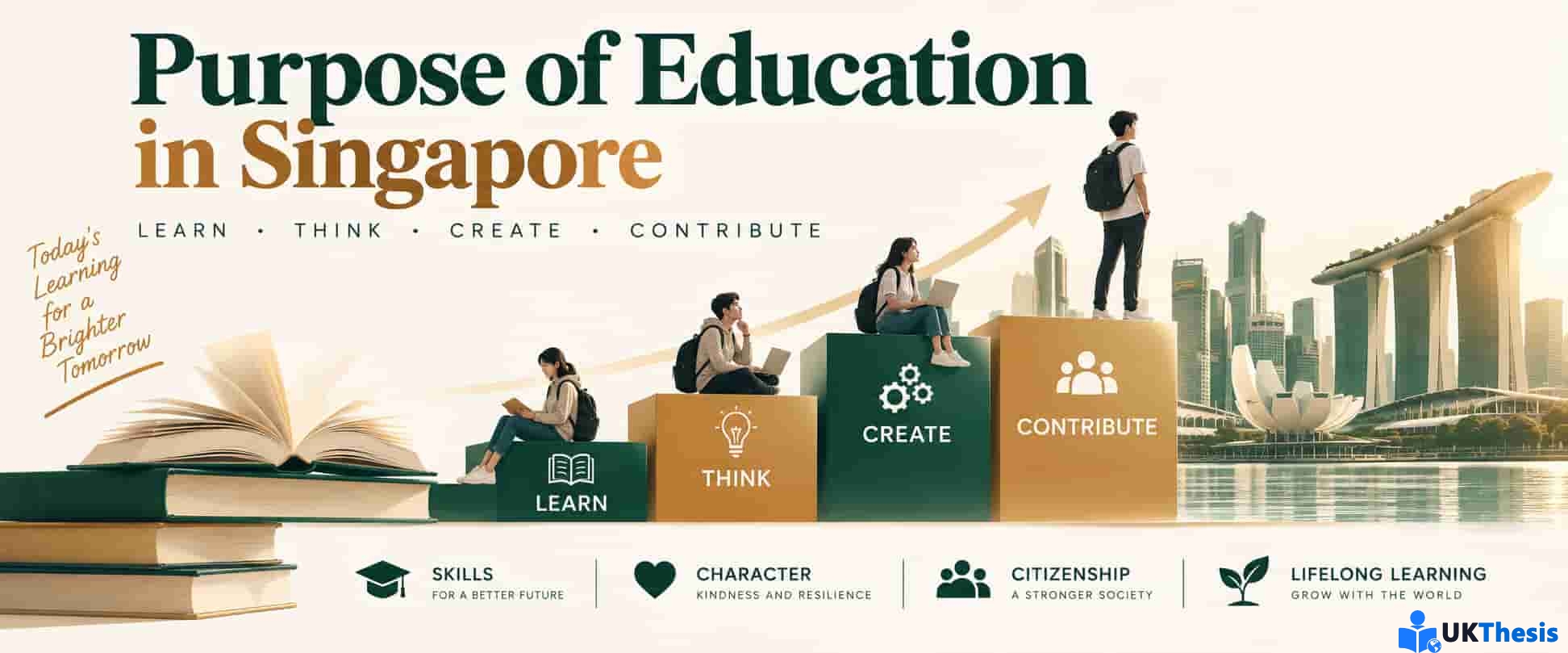
所以这篇Essay真正值得讨论的,并不是“Singapore Education好不好”,而是:
教育究竟应该服务Individual,还是Society?
Education for Employment,还是Education for Life?
Education的Purpose为什么一直在变化?
Education几乎与Human Society一样古老。
但人类为什么需要Education,答案却一直在改变。
在早期社会,Education可能主要意味着Survival Skills——怎样获得Food、怎样使用Tools、怎样保护Community。
到了Industrial Society,Literacy、Numeracy、Discipline以及Technical Skills越来越重要。
进入Knowledge Economy以后,我们又开始强调Creativity、Critical Thinking、Digital Literacy、Collaboration以及Lifelong Learning。
这说明:
The purpose of education is not completely fixed.
教育目的会随着Society本身发生变化。
也正因为如此,一篇Purpose of Education Essay最好不要一开始就给Education下一个永恒不变的Definition。
第一个答案:Education为了Survival和Livelihood
最现实的答案其实非常简单:
为了以后能找到工作。
这个答案听起来不够浪漫,却一点也不丢人。
Education能够帮助Individuals获得Knowledge、Qualifications和Skills,从而进入Labour Market、获得Income,并改善自己的Living Standards。
传统Education Philosophy里可以把它理解为一种较强的Utilitarian Purpose。
说得更接地气一点,就是所谓“Bread and Butter”:
Education → Skills → Employment → Income → Livelihood
如果一个Education System完全不能帮助Young People适应现实社会,它当然会面临很大问题。
但反过来,如果Education只剩下一句话:
“读书就是为了以后工资高一点。”
那好像又少了点什么。
第二个答案:Education for Education's Sake
还有一种完全不同的观点:
Learning本身就有价值。
人接受Education,不只是为了把Knowledge换成Salary。
Education还可以帮助一个人形成独立思考能力、理解世界、发展Curiosity,并产生继续Learning的Intrinsic Motivation。
这种观点尤其适合今天的社会。
因为一个人在University毕业时学到的Professional Knowledge,并不一定够他使用40年。
Technology、Industry和Work不断变化。
于是现代Education真正重要的能力之一,反而变成:
Learning how to learn.
这就是Lifelong Learning背后的Education Philosophy。
Individual Purpose与Social Purpose有什么区别?
到这里可以把Education Purpose分成两个大的层面:
| Individual Purpose | Social Purpose |
|---|---|
| Employment | Economic Development |
| Personal Development | Workforce Development |
| Independent Thinking | Social Cohesion |
| Self-fulfilment | Citizenship |
| Lifelong Learning | Nation-building |
有意思的是,这两组目的并不一定互相冲突。
一个Student为了自己获得更好的Career而学习Skills,同时也在成为社会需要的Skilled Worker。
Individual Gain和Social Gain有时候可以同时发生。
Education与Economic Development是什么关系?
从社会角度来看,Education最明显的作用之一就是Human Capital Development。
Modern Economy需要Engineers、Teachers、Healthcare Professionals、Researchers、Technicians、Managers以及各种Skilled Workers。
Individuals获得这些Knowledge和Skills以后,不仅能够改善自己的Employment Prospects,也参与整个Economy的Production和Innovation。
Individual Skills ↑ → Workforce Capability ↑ → Productivity / Innovation ↑ → Economic Development
这就是为什么Education Policy经常和National Economic Strategy联系在一起。
Essentialism:学校是不是应该教“有用的东西”?
原文用了Essentialism来解释这一逻辑,这个理论我建议保留。
Essentialism通常强调学校应该教授Students需要掌握的Essential Knowledge、Skills以及相应的Discipline。
从这个角度看,Education具有非常明确的Social Function:
让Young People掌握社会运行需要的Knowledge,并成为能够有效参与Society的人。
这与强调Employment、National Development和Social Responsibility的Education Policy很容易产生联系。
但Critical Thinking也从这里开始。
谁来决定什么Knowledge才算“Essential”?
Economic Needs应该在多大程度上决定Education的内容?
如果School只教授Labour Market需要的Skills,那么Art、Philosophy、Literature以及Personal Exploration还有多少空间?
这个问题没有必要简单回答Yes或No,但非常适合Education Essay。
Education还有Character Development的任务吗?
当然,这又是另一条历史很长的Education Philosophy。
Education不只是发展Intellect,还涉及Character、Values以及一个人如何与Others共同生活。
一个Math考试100分的人,并不会因为100分自动变成Responsible Citizen。
所以Education还可能承担:
Moral Development
Social Responsibility
Respect for Others
Community Participation
Citizenship
Character Formation
这也是Singapore Education特别值得研究的地方。
为什么Singapore是研究Education Purpose的好案例?
Singapore是一个人口规模较小、经济高度开放的国家。
因此Human Capital长期具有非常重要的Strategic Significance。
Education自然与Workforce Development、Economic Competitiveness和Nation-building形成密切关系。
但如果只把Singapore Education理解成:
“考试很难 + 学生很会做题 + 为经济培养人才”
就已经明显过于简单。
今天Singapore Ministry of Education强调的是更加Holistic的Education:
Bring out the best in every child.
Education不仅需要帮助Students进入未来Economy,也需要帮助他们发展Character、Agency、Values以及面对快速变化世界的能力。
Singapore的四个Desired Outcomes of Education
Singapore MOE目前仍然以四项Desired Outcomes来描述希望Students成长为什么样的人:
| Desired Outcome | 可以怎样理解? |
|---|---|
| Confident Person | 拥有自信、判断力与适应能力 |
| Self-directed Learner | 主动学习并持续承担自己的Learning |
| Active Contributor | 能够合作、创新并为Society作出贡献 |
| Concerned Citizen | 具有National Identity、Social Responsibility及Community Awareness |
这四个Outcome其实非常有意思。
前两个更容易与Individual Development连接,后两个则明显涉及Social Contribution与Citizenship。
换句话说,Singapore Education本身就在尝试回答:
怎样同时培养一个有能力的Individual,以及一个能够参与Society的Citizen?
Active Contributor:Education与Economic Competitiveness
原文重点分析了Active Contributor,这个方向仍然成立。
Singapore作为高度开放的Economy,需要Students未来能够在Team中Collaboration、解决Problems、适应Change,并产生新的Ideas。
所以Education Purpose逐渐不只是:
Know more.
而是:
Know how to use what you know.
这也解释了为什么现代Singapore Education越来越强调Critical and Inventive Thinking、Communication、Collaboration以及Information Skills。
从“会考试”走向21st Century Competencies
过去讨论Singapore Education,很容易集中在Academic Results和Competition。
但Education Policy本身也在变化。
今天MOE明确强调21st Century Competencies以及更加Holistic的Student Development。
这包括:
Critical and Inventive Thinking
Communication
Collaboration
Information Skills
Civic Literacy
Global Awareness
Cross-cultural Skills
这反映出一个非常明显的Education Philosophy变化:
Education不再只是“What do students know?”
还要问“What can students do with what they know?”
Streaming已经不能按照旧Essay那样写了
这是原文更新时特别重要的一点。
旧稿把Streaming当作Singapore Education的重要Criticism,讨论Students被分到不同Academic Streams以后产生的Competition与Labeling。
但现在制度已经发生明显变化。
从2024 Secondary 1 cohort开始,Singapore全面实施Full Subject-Based Banding(Full SBB)。
传统Express、Normal (Academic)和Normal (Technical)的Stream Labels已经逐步退出,Students可以根据自己的Strengths、Interests和Learning Needs,以不同Subject Levels学习。
简单理解就是:
过去:Student被放进一个Stream
现在:不同Subjects可以采用不同Learning Levels
这并不意味着所有关于Meritocracy、Competition和Educational Inequality的问题都消失了。
但它说明Education System正在尝试减少过早Labeling,并提供更加Flexible的Learning Pathways。
这对“Purpose of Education”意味着什么?
意义很大。
如果Education Purpose只是把Students按照Academic Ability快速分类,那么固定Streams当然很有效率。
但如果Education Purpose进一步变成:
帮助不同Students发展自己的Strengths和Potential,
那么System自然需要提供更多Flexibility。
所以Full SBB不仅是一个Technical Policy Change。
它背后实际上反映了Education Purpose本身的变化。
Concerned Citizen:Education为什么还要培养Citizenship?
Singapore Education的另一个重要Desired Outcome是Concerned Citizen。
这说明School的任务并没有停留在Academic Achievement和Employment。
Education还承担Social Cohesion、National Identity以及Citizenship Development。
今天这一部分主要可以放到Character and Citizenship Education(CCE)框架中理解。
CCE强调Values、Character、Social-emotional Well-being以及Citizenship Dispositions。
Students不仅需要知道怎样“成功”,还需要理解:
Who am I?
How should I relate to others?
What responsibilities do I have?
How do I contribute to my community?
What does it mean to be a citizen in a diverse society?
Nation-building与Education有什么关系?
Singapore是一个Multi-racial、Multi-religious和Multi-lingual Society。
因此Education长期承担Social Cohesion的重要功能。
National Education、Character and Citizenship Education以及学校中的共同Learning Experiences,都与这一目标有关。
这里可以看到Education的另一个Social Purpose:
Education不仅让Individuals适应Society,也参与塑造Society本身。
但Citizenship Education有没有风险?
这就是Critical Analysis必须出现的地方。
Education帮助Students理解Community、Society和National Identity可以产生Social Cohesion。
但Education与Political Socialisation之间也存在需要讨论的边界。
所以Education Philosophy需要继续追问:
学校应该培养Responsible Citizens,还是应该告诉Students什么才是“正确的Citizen”?
National Identity与Independent Thinking怎样平衡?
共同Values与Pluralism怎样共存?
一个成熟的Education System既希望形成Social Cohesion,也需要为Critical Inquiry保留空间。
Character Education怎样避免变成“完成任务”?
原稿对于Community Involvement有一个很有意思的批评:
如果Student参加Community Service只是为了满足规定Hours,那么形式上完成了Service,是否真的培养了Social Responsibility?
这个问题今天依然有分析价值。
假设Student心里想的是:
“还差两个小时,做完赶紧回家。”
那么表格上的Community Service完成了,Character Development却未必同步完成。
Compliance ≠ Internalisation
真正有效的Character Education不能只要求Students“做某件事”,还需要Reflection、Agency以及理解为什么这样做。
Singapore Education只是为了Economic Growth吗?
这是这篇Essay最适合放在后半段的Evaluation Question。
从Singapore的发展历史来看,Education与Human Capital、Economic Survival和Competitiveness确实有非常紧密的联系。
但如果因此得出:
“Singapore Education唯一目的就是赚钱和发展Economy。”
就过度简化了。
今天的Education Framework同时强调:
| Economic Purpose | Human / Social Purpose |
|---|---|
| Future-ready Skills | Character |
| Employability | Well-being |
| Innovation | Citizenship |
| Economic Adaptability | Social Cohesion |
| Lifelong Employability | Lifelong Learning |
因此更准确的Argument应该是:
Economic Competitiveness remains an important purpose of education in Singapore, but contemporary education policy increasingly frames student development in broader terms of agency, character, lifelong learning, citizenship and holistic development.
Education Essay怎样写出Critical Thinking?
最普通的写法是:
Education为了找工作。
Education为了国家。
Education为了Character。
Singapore有四个Desired Outcomes。
这些都是Information,还不是Argument。
更好的Essay Structure应该是:
Purpose → Theory → Policy → Outcome → Tension → Evaluation
例如:
Economic Purpose:Employability vs Over-instrumentalisation
Essentialism:Essential Knowledge vs Individual Interests
Meritocracy:Achievement vs Competition / Labelling
Citizenship:Social Cohesion vs Independent Thinking
Holistic Education:Multiple Pathways vs Continuing Academic Pressure
这些“Tensions”才是Essay真正有意思的地方。
如果Education assignment涉及Purpose of Education、Singapore Education、Essentialism、Meritocracy或者Character Education,可以先建立Educational Aim → Theory → Policy Example → Student/Society Impact → Limitation这条Argument Chain。需要Education Essay写作指导或留学生论文辅导时,也应该先把Question拆成这些分析层次,而不是把Education Theory一股脑全部塞进去。
FAQ
Q1:What is the purpose of education?
Education可以同时具有Individual与Social Purposes,包括Employment、Personal Development、Independent Thinking、Economic Development、Character Formation以及Citizenship。
Q2:Singapore的Desired Outcomes of Education是什么?
目前包括Confident Person、Self-directed Learner、Active Contributor和Concerned Citizen四个方向。
Q3:Singapore还使用传统Streaming吗?
Secondary Education已经发生重要变化。Full Subject-Based Banding从2024 Secondary 1 cohort全面实施,传统Express、Normal (Academic)和Normal (Technical)Stream Labels逐步退出。
Q4:Essentialism是什么?
Essentialism强调学校应帮助Students掌握被认为对个人和社会重要的Core Knowledge、Skills及相应Discipline,因此很适合用于分析Education与Workforce/Society Needs之间的关系。
Q5:Singapore Education主要是为了Economic Growth吗?
Economic Competitiveness长期具有重要地位,但当前Education Policy同时强调Holistic Development、21st Century Competencies、Character、Citizenship和Lifelong Learning,因此不能只用Economic Purpose解释整个体系。
Conclusion
所以,我们为什么要接受Education?
为了Employment,这个答案没有错。
为了Economic Development,也没有错。
但Education如果只剩下这两个目的,就很难解释为什么Schools还需要培养Character、Curiosity、Independent Thinking、Citizenship以及Lifelong Learning。
Singapore的案例尤其说明,Education Purpose本身会随着Society变化。
从早期强调Human Capital与Economic Survival,到今天更加重视Holistic Development、Multiple Pathways、21st Century Competencies和Character and Citizenship,Singapore Education正在不断重新回答同一个问题:
Education不仅要帮助Young People在未来的Economy中生存,还要帮助他们形成独立学习、适应变化、与他人共同生活并参与Society的能力。
或许这正是Purpose of Education最难、也最有意思的地方——Society一直在变化,所以Education永远不会只有一个答案。