Sydney Opera House Project Management案例:Triple Constraint与项目成功分析
Sydney Opera House今天是澳大利亚最具代表性的建筑之一。但如果把视线从最终那几片漂亮的“白色风帆”移回Construction Period,这个项目在Project Management课堂里就会突然变成另一副模样。
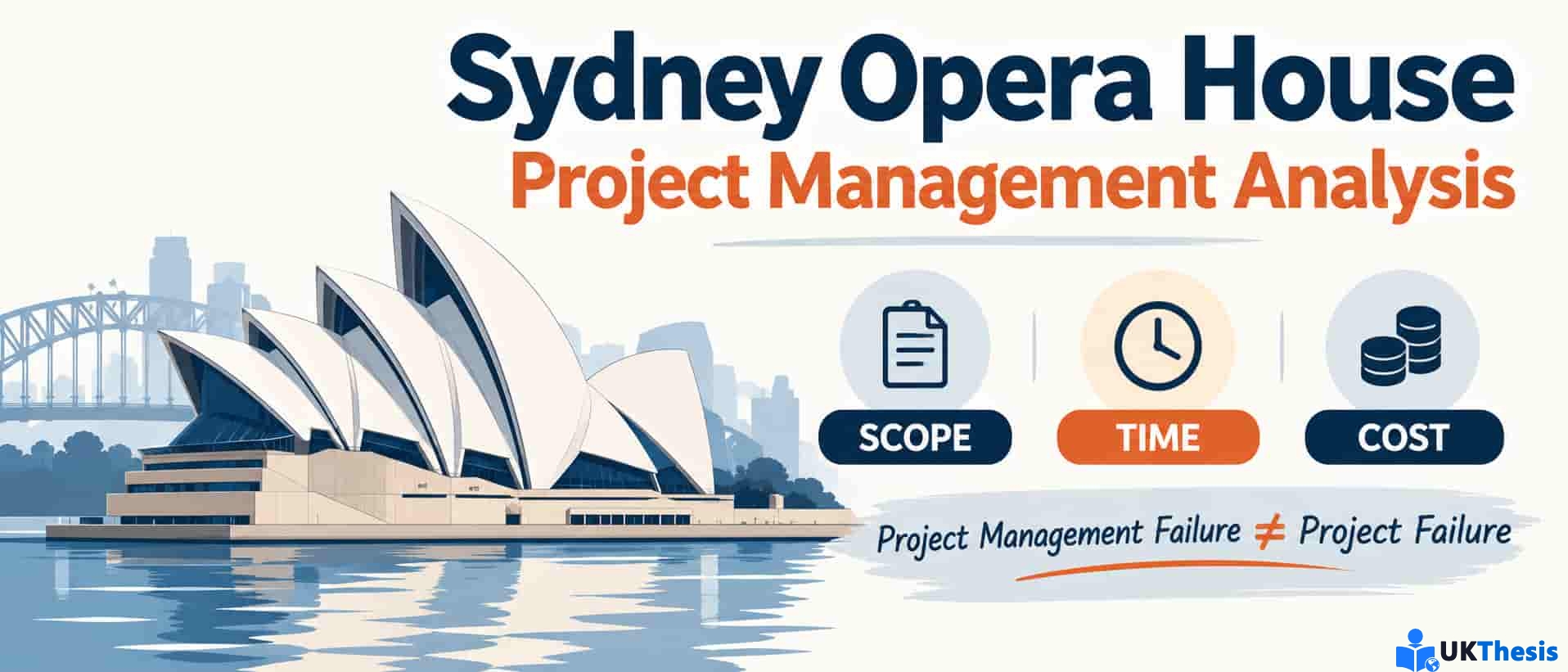
设计尚未完全解决便开始Construction、Scope不断发展、Schedule延误、Cost不断上升、Architect与Government之间关系恶化——如果只按照传统Time、Cost、Scope三个指标评价,它很难被称为一个Project Management Success。
有意思的地方也正在这里:一个Project Management表现存在严重问题的项目,最终有没有可能成为一个非常成功的Project?
下面这篇Project Management case study以Sydney Opera House为案例,从Triple Constraint、Scope Management、Stakeholder Communication、Time & Cost以及Project Success几个方面分析这个看起来有点矛盾的问题。
| Project Management问题 | Sydney Opera House案例 |
|---|---|
| Scope | 关键Design与Requirements在Construction过程中继续发展 |
| Time | Construction Period显著超过早期预期 |
| Cost | 项目出现Substantial Cost Overrun |
| Stakeholders | Architect、Engineers与Government之间存在复杂关系 |
| Project Success | Management Process问题严重,但Final Product获得长期文化与建筑价值 |
Sydney Opera House为什么是经典Project Management Case Study?
The Sydney Opera House is recognised internationally as one of the most important architectural works of the twentieth century. However, the construction process behind the building was far more complicated than the finished landmark suggests.
Construction began in 1959. At that point, important design and engineering questions had not yet been fully resolved. The project therefore provides a particularly interesting example for analysing the relationship betweenScope、Time、Cost、Stakeholder Management以及Project Success。
从assignment角度说,它最有意思的不是“这个项目失败了”,而是:
Can Project Management Fail
while the Final Project becomes a Long-term Success?
Triple Constraint:Scope、Time和Cost
传统Project Management经常使用Triple Constraint理解项目Performance:
SCOPE
What must be delivered?
TIME
When must it be delivered?
COST
How much will it cost?
这三个因素又不是各过各的日子。
Scope发生变化,往往会影响Time和Cost;Schedule延长可能增加Cost;为了控制Budget进行Design Change,又可能反过来影响Scope和Quality。
Sydney Opera House恰好把这种相互关系表现得非常明显。
Scope Management:设计没有完全解决就开工
A well-defined project scope helps a project team understand what needs to be delivered and provides a basis for estimating time, cost and resources.
Sydney Opera House最大的Project Management Lesson之一,就是Construction与Design Development在相当长时间里存在重叠。
项目开工时,一些重要Structural和Design问题仍然没有得到最终解决。
这会带来一个非常典型的问题:
If the final solution is still developing, how accurately can Time, Cost and Resources be predicted?
答案当然是:很难。
Requirements为什么不能一直变化?
Project Requirement不一定永远不能Change。现实Project几乎都会遇到Change。
真正危险的是:
Requirements没有明确;
Change没有受到控制;
Project Scope持续扩大;
Design Development与Construction同时进行;
Change对Cost和Schedule的影响没有及时重新评估。
因此,成熟的Scope Management并不是一句“requirements should never change”,而应该是:
Define → Document → Evaluate Change → Approve → Update Baseline
为什么Early Construction增加了Project Risk?
项目如果在Design还没有充分成熟的时候提前Construction,看起来可能是在“抢时间”。
但这种做法可能把Risk从前期转移到后期。
| Potential Short-term Benefit | Potential Project Risk |
|---|---|
| Construction可以更早开始 | Design Change可能导致Rework |
| 展示Project Progress | Cost Estimate准确性降低 |
| 获得Political Momentum | Future Change更加困难 |
| 缩短部分Early Schedule | Uncertainty可能转化为Delay |
所以“Start Earlier”并不自动等于“Finish Earlier”。
Stakeholder Management:谁才是这个Project的重要Stakeholder?
大型Construction Project几乎不可能由一个人独立完成。
Sydney Opera House涉及Architect、Structural Engineers、Government、Public Authorities、Contractors以及未来Users等多类Stakeholders。
原essay特别关注Jørn Utzon与Engineering Team之间的Communication,并认为Stakeholder Communication不足增加了Project Management Difficulty。
这里比单纯说“沟通很重要”更值得分析的是:
Who has decision-making authority?
Who controls the budget?
Who controls design?
Who carries technical risk?
How should disagreement be resolved?
Communication为什么会成为Megaproject问题?
Project Communication并不只是大家多开几个Meeting。
Communication Plan应该解决Information如何流动:
Architect ↔ Engineers ↔ Client / Government ↔ Contractors
如果Design Information、Technical Advice、Budget Concern和Government Requirement之间不能及时协调,问题最终就可能表现为Delay、Conflict或者Rework。
Sydney Opera House的历史也说明,Technical Complexity与Stakeholder Relationships不能完全分开分析。
Government Change也是Project Driver
原Essay还有一个很不错的角度:External Project Drivers。
大型Public Project不仅受Project Team内部因素影响,还可能受到:
Government Change;
Regulation;
Political Priorities;
Public Funding;
Technical Standards;
Public Expectations。
Sydney Opera House项目期间Government与Public Works管理环境发生变化,而Architect与Government之间的关系最终严重恶化。
这说明Project Manager不能只盯着Gantt Chart。External Environment有时候比Spreadsheet里的计划变化快得多。
Time与Cost为什么会一起失控?
Time和Cost在Construction Project中高度相关。
如果Project持续时间延长,Labour、Management、Contract、Equipment以及其他Indirect Costs都可能受到影响。
同时,如果Scope和Design仍在发展,Budget Forecast本身也会更加困难。
Sydney Opera House最终于1973年开放,而Construction Process明显超过早期计划,成本也远高于最初估算。
但这里写Assignment时最好不要只扔一句:
“The project went over budget.”
老师真正想看到的是:
Why?
Scope Uncertainty + Design Complexity + Technical Innovation + Change + Stakeholder Conflict + Schedule Extension
Project Management Success和Project Success是一回事吗?
这是整篇Case Study最值得留下的问题。
如果按照Traditional Triple Constraint:
Did it finish according to the original schedule?
Did it remain within the original budget?
Was scope sufficiently controlled?
Sydney Opera House显然暴露了严重的Project Management Problems。
但是如果把评价时间拉长:
Did the final building create long-term value?
Did users accept it?
Did it achieve cultural significance?
Did it become an important public asset?
Did it create benefits beyond the original project period?
答案又完全不一样。
| Project Management Success | Project / Product Success |
|---|---|
| Schedule Performance | Long-term Value |
| Budget Performance | User / Public Benefit |
| Scope Control | Cultural & Social Impact |
| Process Efficiency | Strategic Outcome |
所以Sydney Opera House到底是Success还是Failure?
如果一定要求一句话回答,这道题反而被问窄了。
更合理的Academic Argument是:
The Sydney Opera House demonstrates that project management success and long-term project success should be evaluated separately.
它的Management Process在Time、Cost、Scope和Stakeholder Coordination方面暴露出明显问题;但Final Asset却产生了远远超出Construction Period的Architectural、Cultural和Public Value。
这也是为什么现代Project Evaluation不能永远只停留在Iron Triangle。
Triple Constraint还有哪些局限?
Time、Cost和Scope非常重要,但并不能回答所有问题。
一个Project还可能需要评价:
Quality;
Stakeholder Satisfaction;
Strategic Value;
Innovation;
Sustainability;
Long-term Benefits;
Social and Cultural Impact。
例如,一个Project完全On Time、On Budget,但最终没人愿意使用,这能算真正成功吗?
反过来,一个项目Construction Process非常痛苦,但最终几十年持续创造巨大价值,又应该怎样评价?
Sydney Opera House恰好把这个Project Management问题放大到了非常容易看懂的程度。
现代Project Management Software能避免同样的问题吗?
原Essay最后认为Modern Technology能够改善Time、Cost和Scope Control。这个方向可以保留,但不能写得太绝对。
今天的Project Management Software确实可以帮助:
Schedule Tracking;
Budget Monitoring;
Document Control;
Change Management;
Risk Tracking;
Stakeholder Communication。
但Software不会自动解决Poor Governance、Unclear Requirements或Stakeholder Conflict。
学姐提醒:Project Management Essay最容易出现一句万能结论:“使用Project Management Software就可以解决这些问题。”软件看完可能都压力很大。工具只能让Information更透明、Tracking更及时;如果Scope根本没定义清楚,或者关键Stakeholders互相不买账,再漂亮的Dashboard也不会自己把Project救回来。
Conclusion
The Sydney Opera House provides an important case for understanding the limitations of evaluating projects only through time, cost and scope.
The construction process experienced significant difficulties associated with design uncertainty, scope development, technical complexity, stakeholder relationships, political change, schedule delay and cost escalation.
From a traditional project management perspective, these issues represent substantial management problems. However, the final Sydney Opera House achieved extraordinary long-term architectural, cultural and public value.
The case therefore demonstrates an important distinction between project management success and project success. The Triple Constraint remains useful for evaluating management performance, but a broader assessment should also consider quality, stakeholder outcomes, strategic benefits and long-term value.
FAQ
Q1:Sydney Opera House为什么经常作为Project Management Case Study?
因为它同时涉及Scope Uncertainty、Cost Overrun、Schedule Delay、Technical Innovation、Stakeholder Conflict以及Project Success评价,非常适合分析Triple Constraint。
Q2:Project Management的Triple Constraint是什么?
通常指Scope、Time和Cost,三个因素互相影响,是传统Project Performance Evaluation的重要框架。
Q3:Sydney Opera House算Project Failure吗?
需要区分评价维度。从传统Time、Cost和Scope角度,项目管理过程存在严重问题;从Final Asset与Long-term Value角度,则呈现出完全不同的结果。
Q4:为什么Scope Management对这个案例特别重要?
因为项目在重要Design和Engineering问题尚未完全解决时已经推进Construction,后续Change增加了Time与Cost预测的困难。
Q5:Stakeholder Management在Sydney Opera House项目中有什么作用?
Architect、Engineers、Government和其他Stakeholders之间的Communication、Authority与Expectations都会影响Decision Making和Project Progress。
Q6:Triple Constraint足够评价Project Success吗?
不一定。除了Time、Cost和Scope,还可以分析Quality、Stakeholder Satisfaction、Strategic Value、Innovation以及Long-term Benefits。
Q7:Project Management Software可以避免Cost Overrun吗?
软件可以改善Tracking、Reporting和Change Control,但不能自动解决Unclear Scope、Poor Governance或Stakeholder Conflict。
Q8:Project Management Case Study不知道怎么写怎么办?
可以先从Project Background、Problem、Framework、Evidence、Critical Evaluation和Lessons Learned搭结构。如果Triple Constraint、Stakeholder Analysis或Critical Discussion比较乱,也可以通过UKThesis的Assignment写作辅导梳理案例分析逻辑。